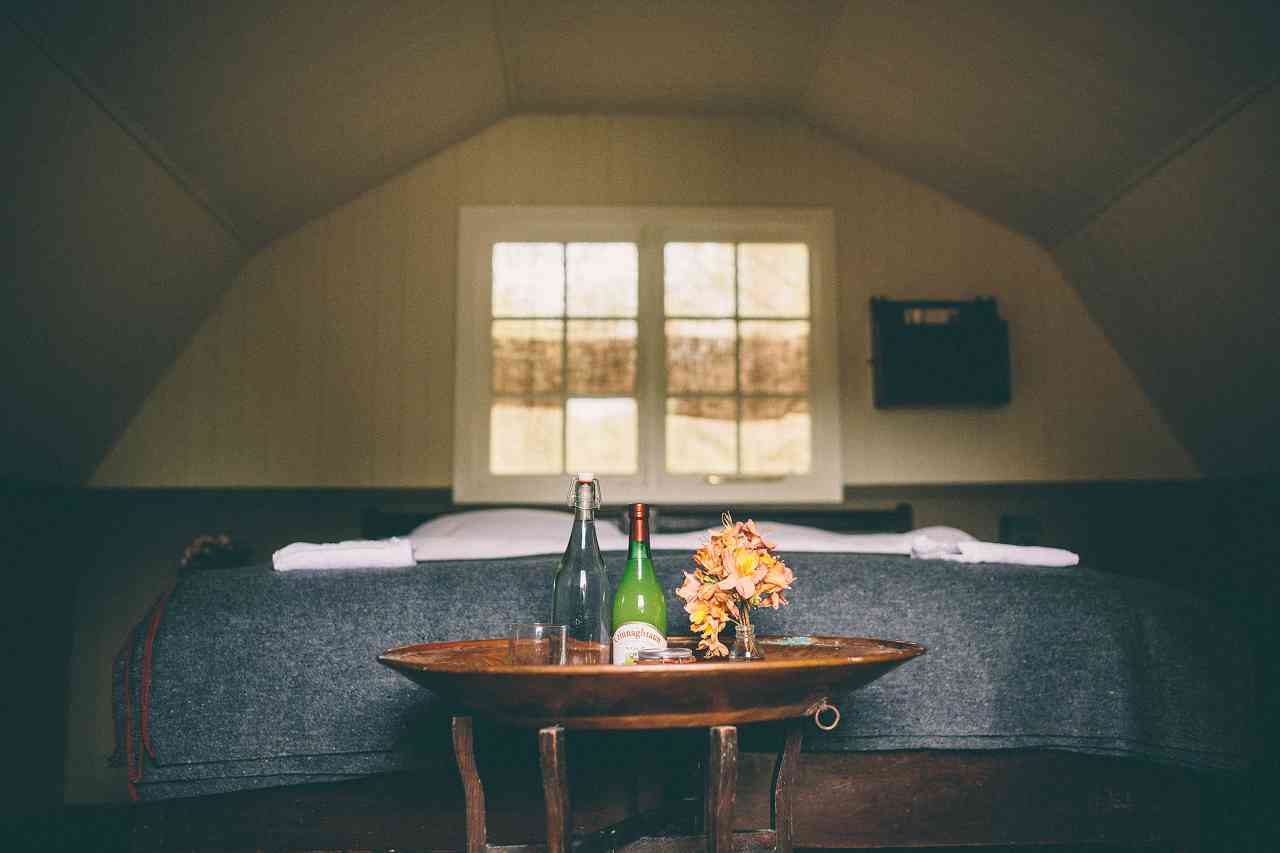
Some of the best places to stay in Ireland don’t advertise loudly. They don’t need to. They rely instead on word of mouth, returning guests, and the simple fact that they offer something many travellers are looking for now: a genuine connection to place and people. Community-run and rural accommodation isn’t about pretending to be local. It’s about being welcomed into an area on its own terms. Across rural Ireland, accommodation is often part of everyday life rather than a separate business. A converted shed beside the family home. A cottage that belonged to a grandparent. A few rooms made available because the space was there.
What you get with these stays is knowledge you won’t find online. Which road is nicer for an evening walk. Where to swim safely. When the local café is actually open, not just listed as open. Hosts have time for a chat, but they’ll also leave you to yourself if that’s what you want. It feels natural, not staged. Staying on a farm changes how you see the countryside. You notice rhythms: early mornings, weather checks, animals being moved, turf being stacked. You’re a guest in a working place, not just a viewer passing through. These stays are common in the midlands and west, where farming is still small-scale and family-run. Counties like County Offaly and County Longford offer quiet farm stays near bogland, rivers and lakes, with plenty of space to walk and think.
Guests often say it’s the calm they remember most.
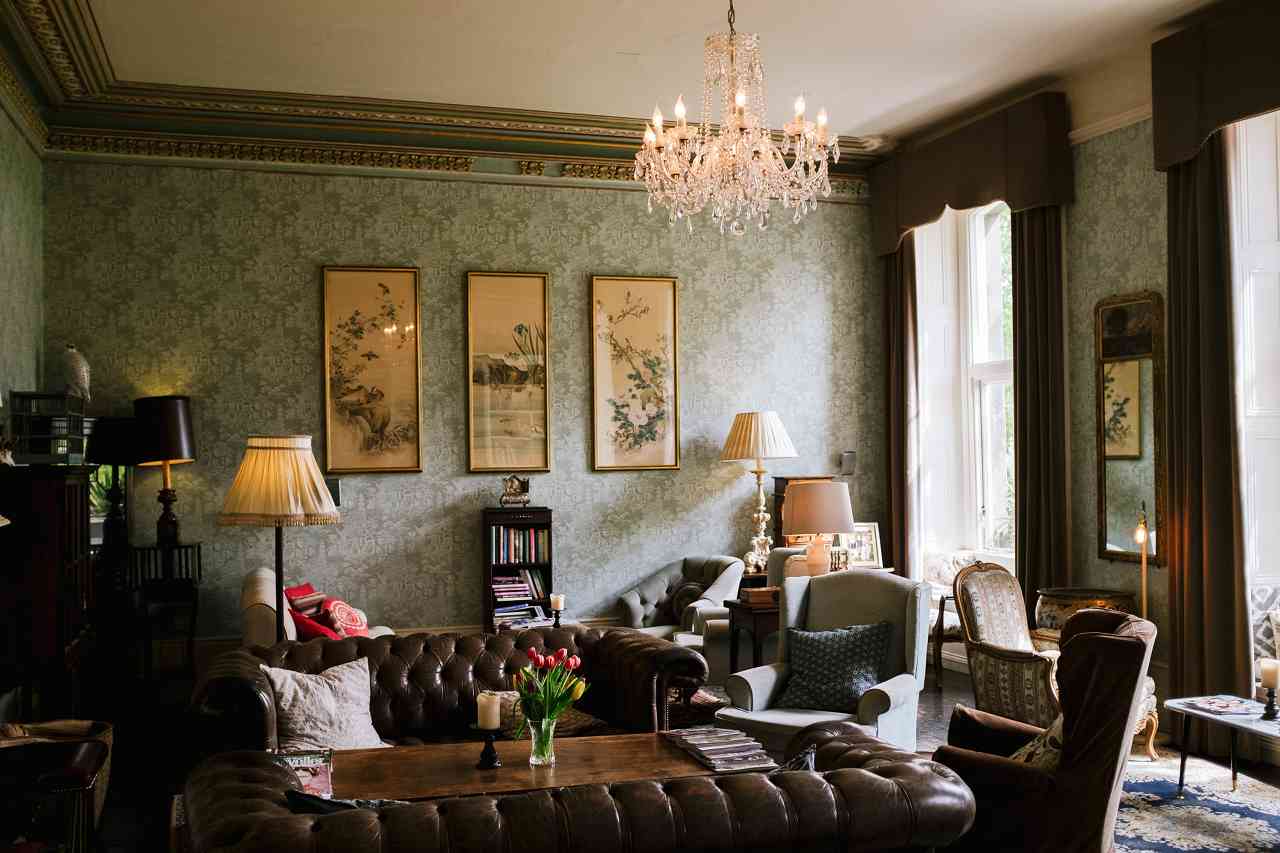
Ballyvolane House – A House Rooted in Rural Life
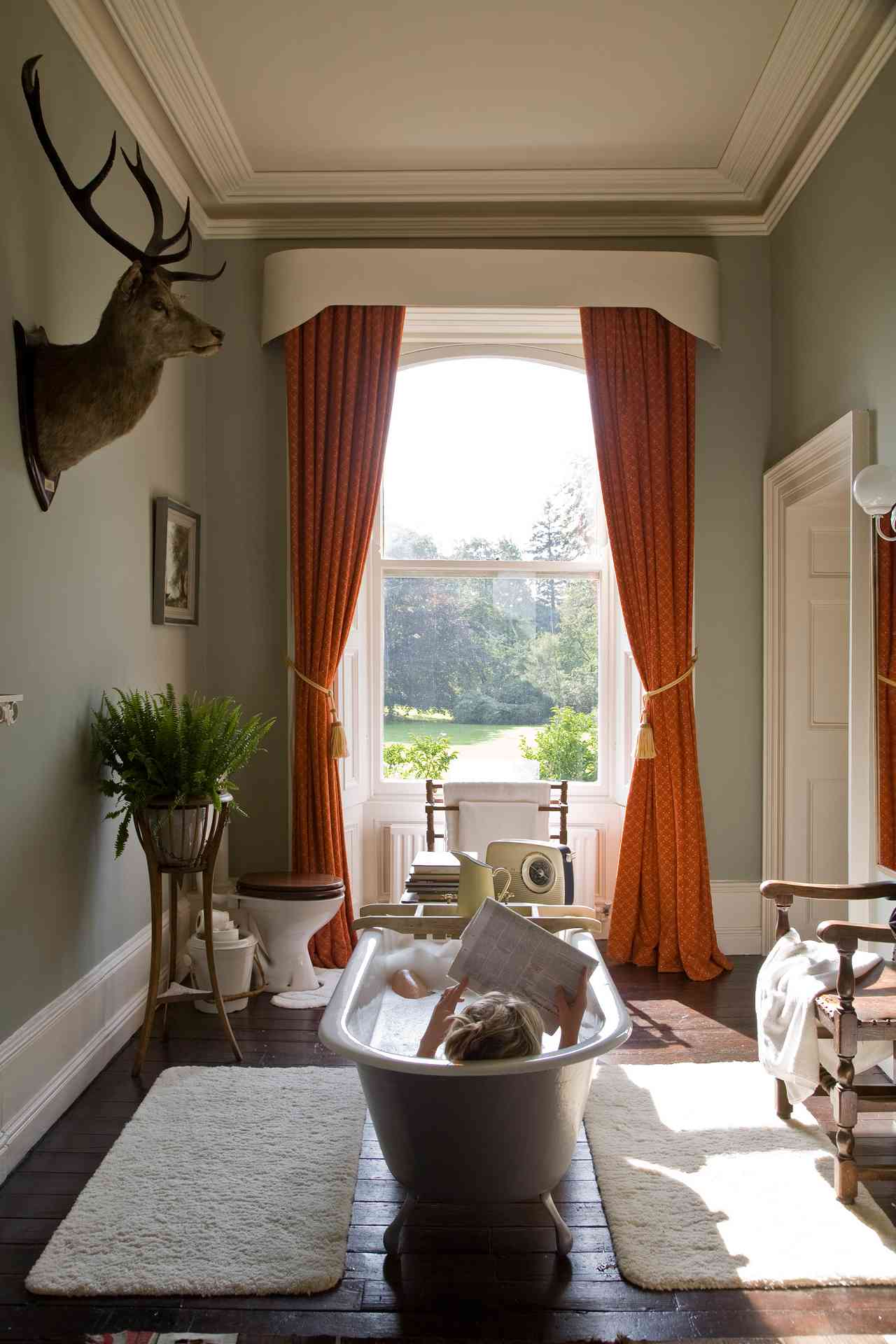
Welcome to Ballyvolane House, a historic Irish country house of extraordinary warmth, style and comfort that provides luxury manor house accommodation, bespoke intimate weddings, glamping and private house parties/exclusive house rentals, located in the beautiful North Cork countryside of southern Ireland. Ballyvolane House is also home to Bertha’s Revenge Gin.
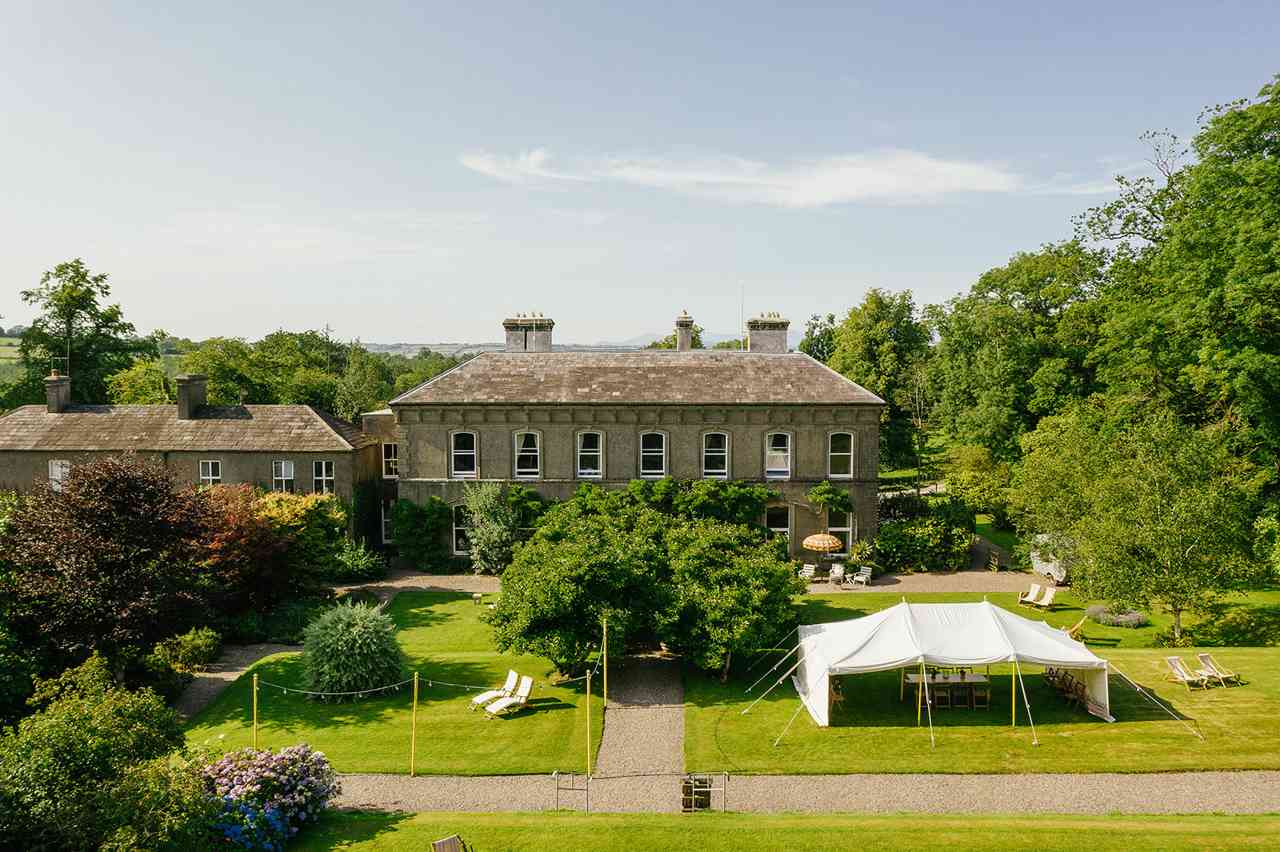
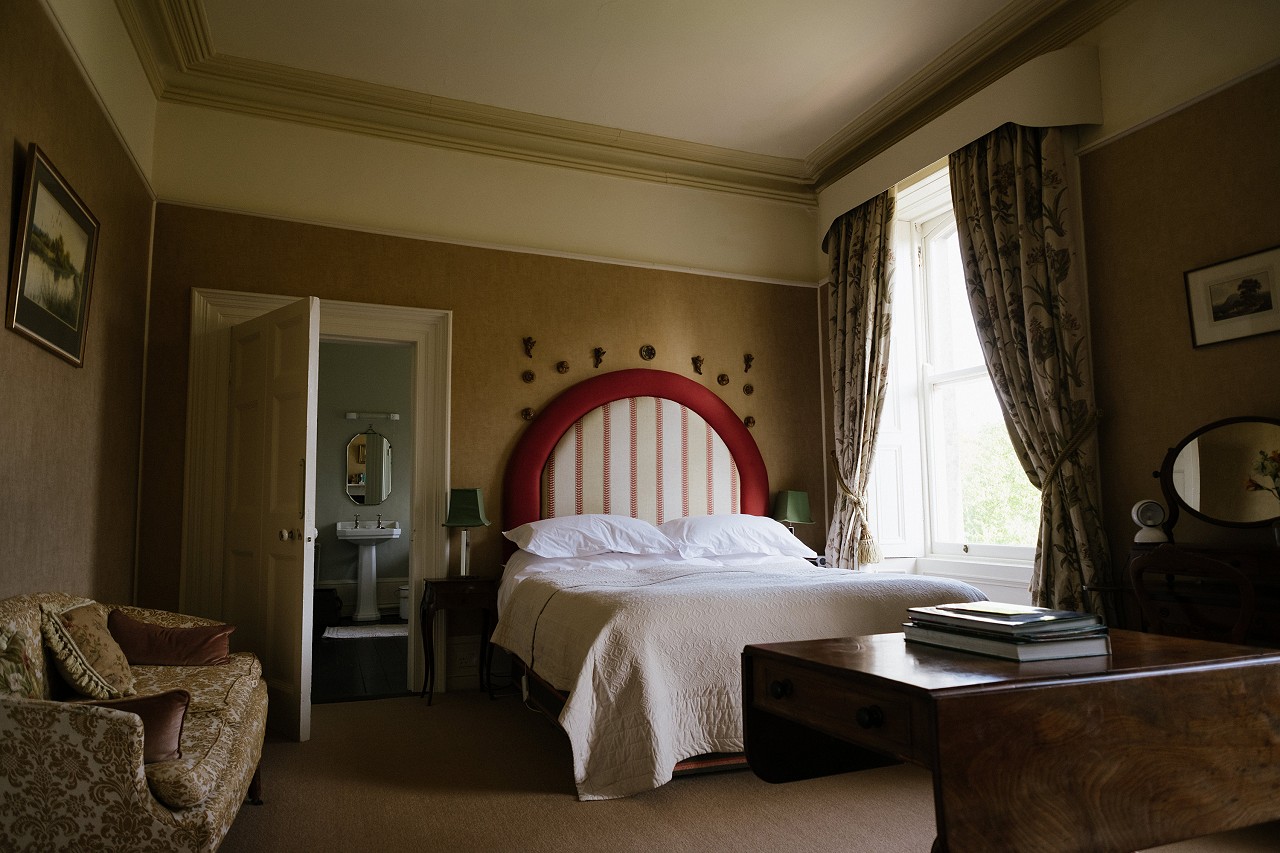
One standout example of local hospitality that goes beyond the usual guesthouse is Ballyvolane House in County Cork. Though grander than a typical farm stay, Ballyvolane is a family-owned country home that feels deeply rooted in its rural setting, with beautifully kept gardens, woods to explore and farm animals to meet on the estate. Guests can enjoy home-cooked country meals in the dining room, wander the parkland, try salmon or trout fishing on the River Blackwater, or simply unwind in one of the six individually furnished bedrooms where the emphasis is on comfort and warmth rather than formality. Staying here feels less like checking into a hotel and more like being invited into a long-lived slice of Irish country life, with hosts happy to point you to quiet walks and local spots worth seeking out. https://ballyvolanehouse.ie/
In Gaeltacht areas, accommodation is often tied directly to language and culture. Staying in a local home or small guesthouse means hearing Irish spoken naturally, not as a performance. You might be offered tea and conversation, pointed towards a music session, or told about a local event happening that evening. There’s no pressure to take part, but the option is there. These stays remind visitors that Irish culture isn’t a museum piece – it’s lived, daily and evolving. On Ireland’s islands and in some rural areas, accommodation is sometimes owned or managed by local cooperatives. Profits go back into the area – maintaining paths, keeping ferries running, supporting local employment. These places tend to be simple, solid and well cared for. They exist because the community wants visitors, but on a scale that suits local life. You arrive knowing that your stay actually matters. When accommodation is rooted in community, travel slows down. You stay longer. You listen more. You notice small things. You’re not just passing through Ireland – you’re spending time in it. For many visitors, that’s the difference between a nice trip and one that actually lingers long after they’ve gone home.
Written by:
Dr Tony Johnston
TUS, Ireland
https://tus.ie/
 English (UK)
  Slovenščina
  Íslenska
  Italiano
  Nederlands