Modern travellers aren’t just looking for a place to sleep, but looking for unique and authentic experiences. They want “Epic Stays”—unique, alternative accommodations that offer an experience as memorable as the destination itself.
Nowhere is this trend more visible than in the northern Netherlands, where the province of Friesland is fastly becoming a hub for innovative hospitality. One example of this is the Mauritiuskerk B&B, an example of how heritage sites can find a second life as a place for guests seeking experiences beyond just a place to sleep.
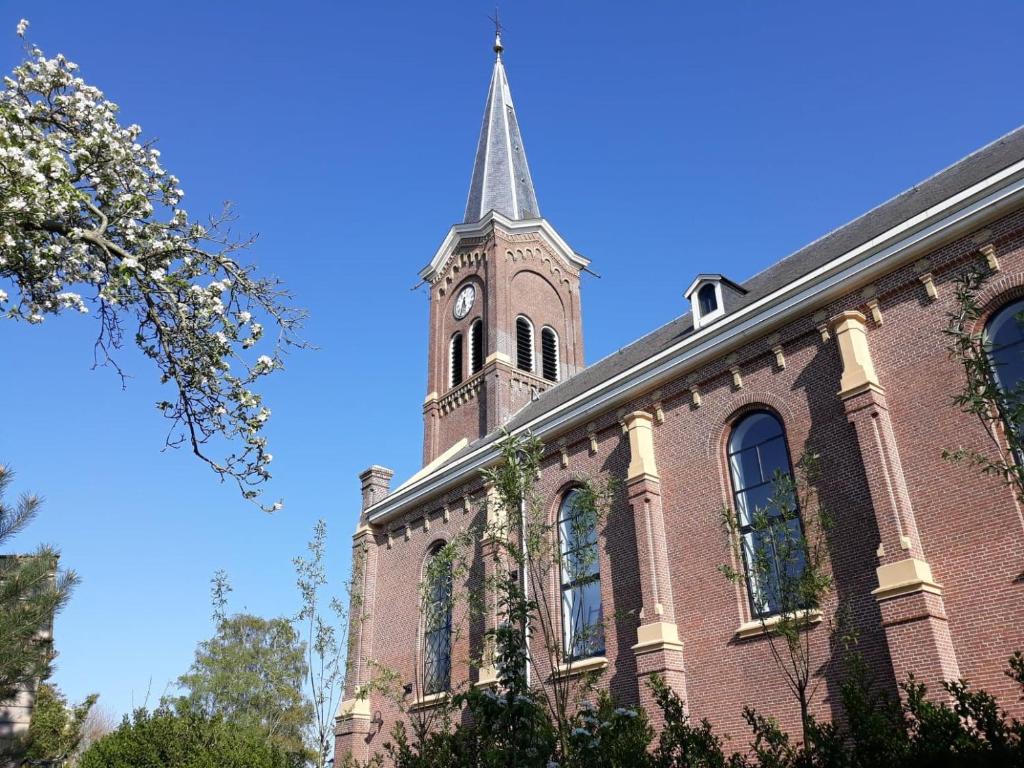
Mauritiuskerk B&B begins with a homecoming. In 2019, after two decades living abroad, Bonnie van der Velde returned to the Netherlands with a distinct vision. She purchased a historic church in a small Frisian village with the original intent of promoting the region to international markets like Russia and China.
However, the world had other plans. With the onset of the COVID-19 pandemic and geopolitical shifts, the focus of the project had to pivot. What emerged from these challenges was a more intimate, locally-focused concept: transforming the church into a high-end Bed & Breakfast.
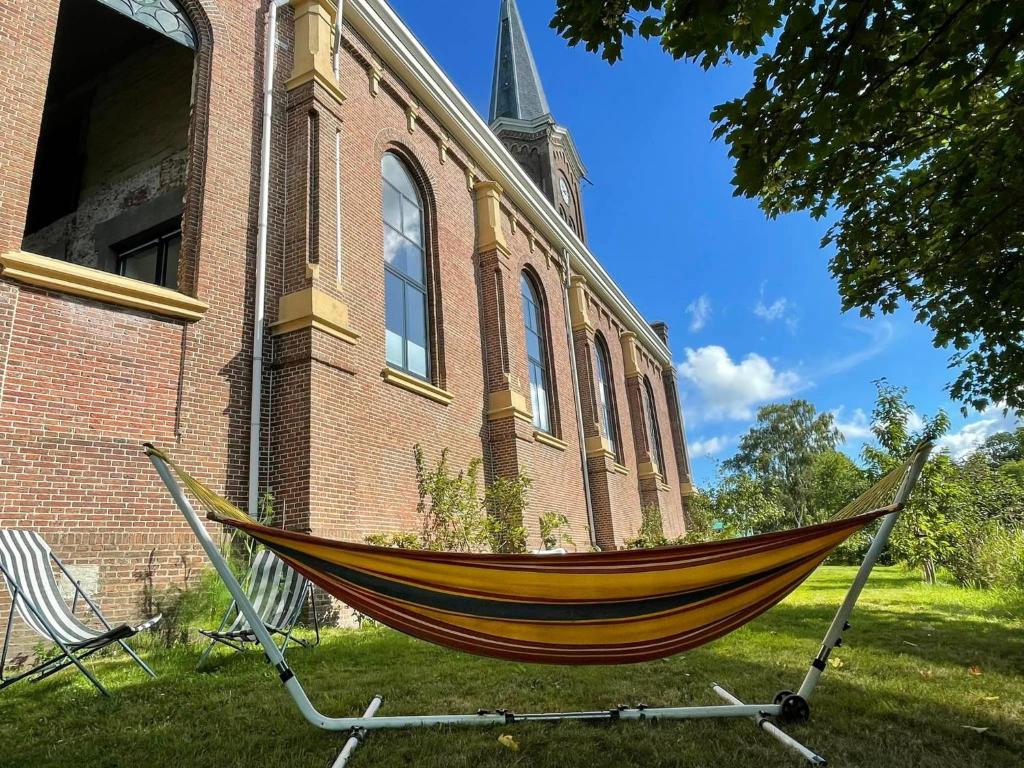
This case is a perfect example the spirit of the “alternative accommodation” concept. It’s about adaptation, resilience, and finding new value in old structures. By repurposing a religious building, the owners didn’t just open a hotel; they preserved a piece of local history and contributing to the development of the local community.
The “Epic Stay” Experience
So, what makes the Mauritiuskerk an “Epic Stay”? It comes down to the blend of architecture, silence, and local immersion.
- Unique Architecture meets Modern Comfort
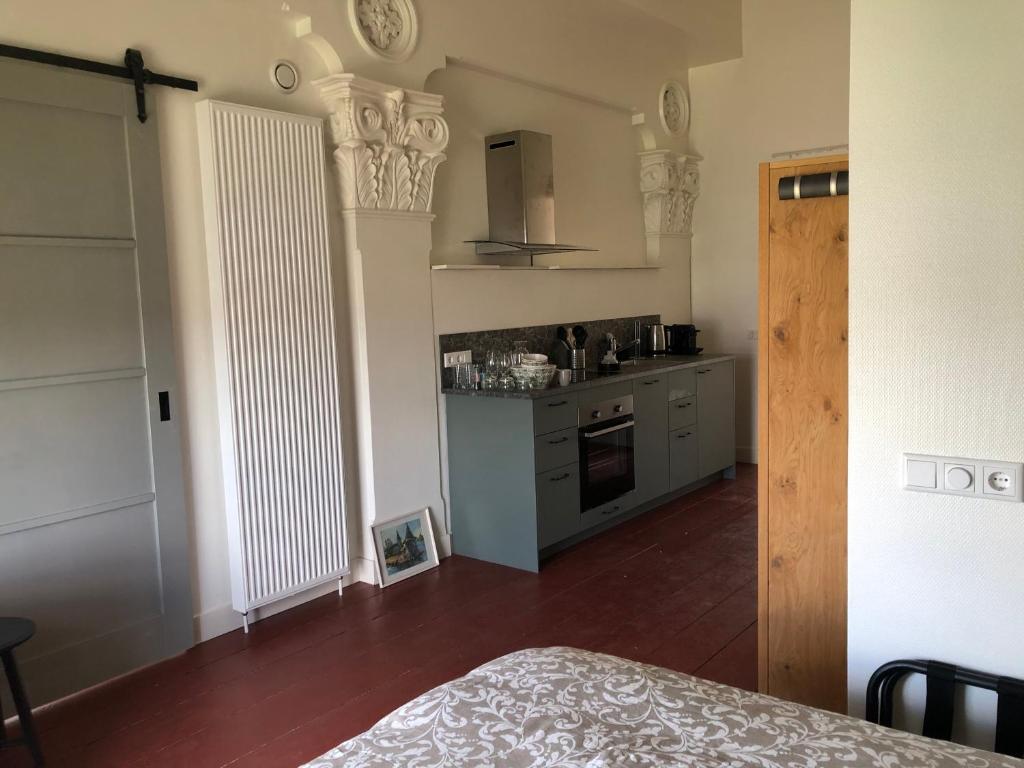
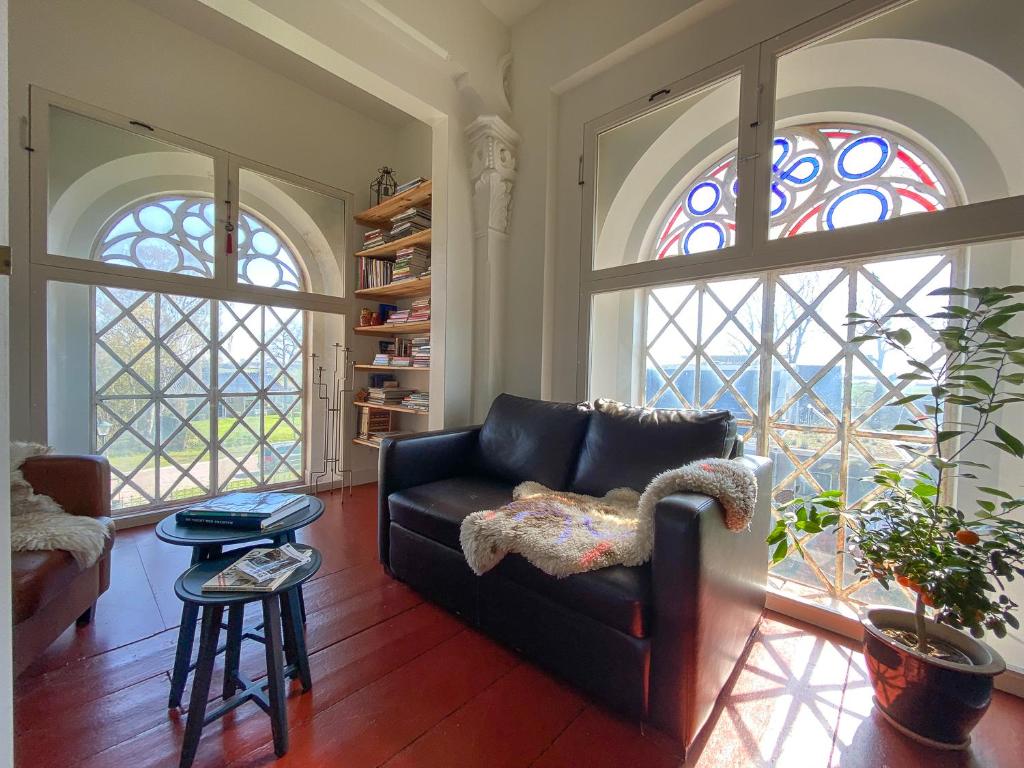
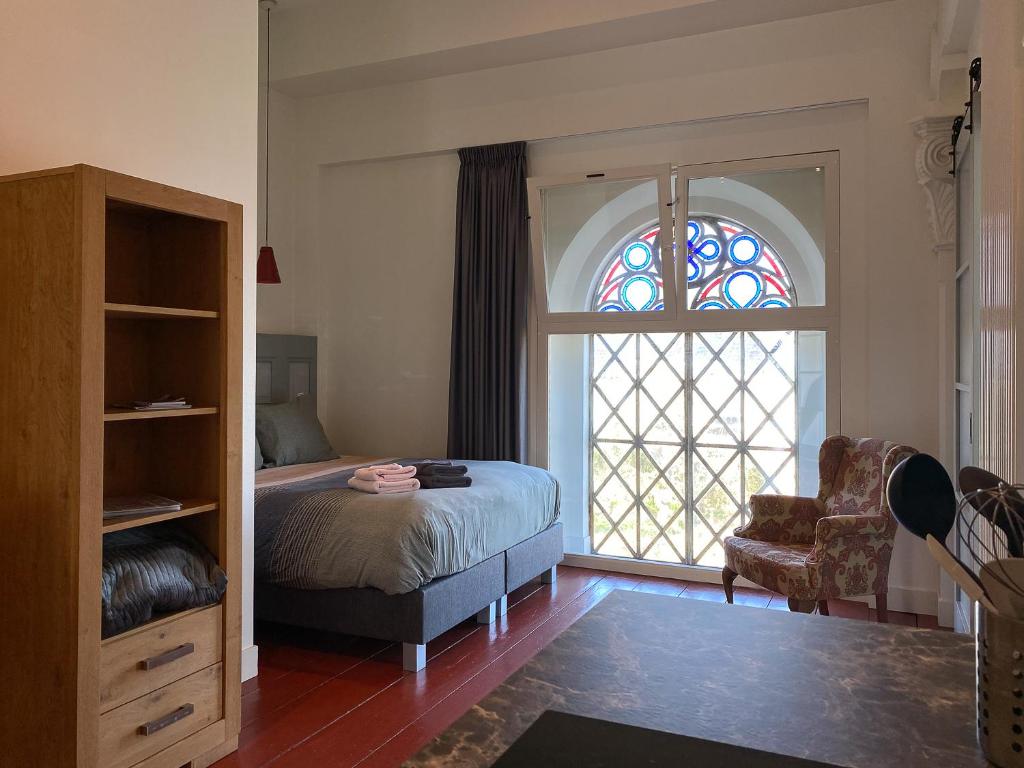
Staying in a church offers an atmosphere that standard hotels simply cannot replicate. The high ceilings and historic stained glass create a sense of grandeur, but the B&B has cleverly integrated modern comforts. As seen in the guest rooms, beds are tucked into lofted spaces or beneath original architectural features, creating cozy nooks within the vast space. It’s a combination of different styles the historical old and new —luxury linens against ancient brick.
- Tranquillity and silence
One of the most profound amenities the Mauritiuskerk offers isn’t Wi-Fi or room service—it’s silence. In our hyper-connected world, true quiet is a luxury. The owners note a funny but telling piece of guest feedback: some visitors actually struggle to sleep at first because of the silence. This is an important factors for many guests from the noisy cities. They find the deep quiet of a Frisian church in a small village a rare and valuable characteristic..
- Connection with local community
An important feature of an Epic Stay is that it extends extends beyond the four walls of the bedroom. The Mauritiuskerk anchors guests in the local community. Located in a small village surrounded by waterways, the B&B encourages a slow-travel approach. Guests spend their days boating, cycling, and walking through the flat, green landscapes of Friesland. It offers a “local experience” that feels authentic rather than curated for mass tourism.
Sustainability and Community
The transformation of the Mauritiuskerk also highlights a critical aspect of alternative accommodation: sustainability. The most sustainable building is the one that already exists. By choosing adaptive reuse over new construction, the B&B inherently reduced its carbon footprint.
The owners have taken this further by focusing on material re-use where possible and prioritizing local food sources. However, they also acknowledge the challenges. Heating a massive, high-ceilinged historic structure requires being “energy aware” in ways a modern build does not. This transparency about the challenges of sustainability adds to the authenticity of the brand.
Furthermore, the B&B fosters community involvement. In a small village, a church is often the social heart. By keeping the doors open (albeit for a different purpose), the Mauritiuskerk remains a landmark, maintaining a relationship between the “tourist” and the “local” that is often lost in larger destinations.
Why Friesland?
The Mauritiuskerk case proves that Friesland is a very important region for development of alternative accommodation businesses.
Bonnie van der Velde’s journey with the Mauritiuskerk is a clear example that running a B&B in a former church is about more than just hospitality. It’s about inviting guests to have a unique experience, listen to the silence, and sleep in a sanctuary of history. These are vital factors that modern guests seek in accommodation such as the ones labelled as Epic Stays.
For more information on this stay, visit www.mauritiuskerk.nl.
Written by;
Radu Mihailescu
Senior Researcher at Stenden University of Applied Sciences
 English (UK)
  Slovenščina
  Íslenska
  Italiano
  Nederlands