De term Glostel is een woord dat de betekenis van de woorden “Glamourous” en “Hostel” combineert.
Glostel is een marketingterm die wordt gebruikt om chiquere en modieuzere hostels te beschrijven. Het glostelconcept, een mix van “glamoureus” en “hostel”, vertegenwoordigt een transformatieve benadering van alternatieve accommodaties die zich richt op moderne reizigers die op zoek zijn naar comfort, stijl en sociale interactie. Door de gemeenschappelijke geest van traditionele hostels te combineren met de luxe voorzieningen van boetiekhotels, creëren glostels een gastvrije omgeving die een grote verscheidenheid aan gasten aanspreekt, van solo-avonturiers tot gezinnen en vriendengroepen.
Glostels onderscheiden zich van hun concurrenten door hun sterke focus op kunst en mode, terwijl ze zich toch richten op een vergelijkbare budgetbewuste markt als hostels.
Glostels bieden ook gedeelde accommodatie en een socialere sfeer, waardoor ze zich onderscheiden van boetiekhotels (Landman , Glostel Definition / Meaning, 2020).
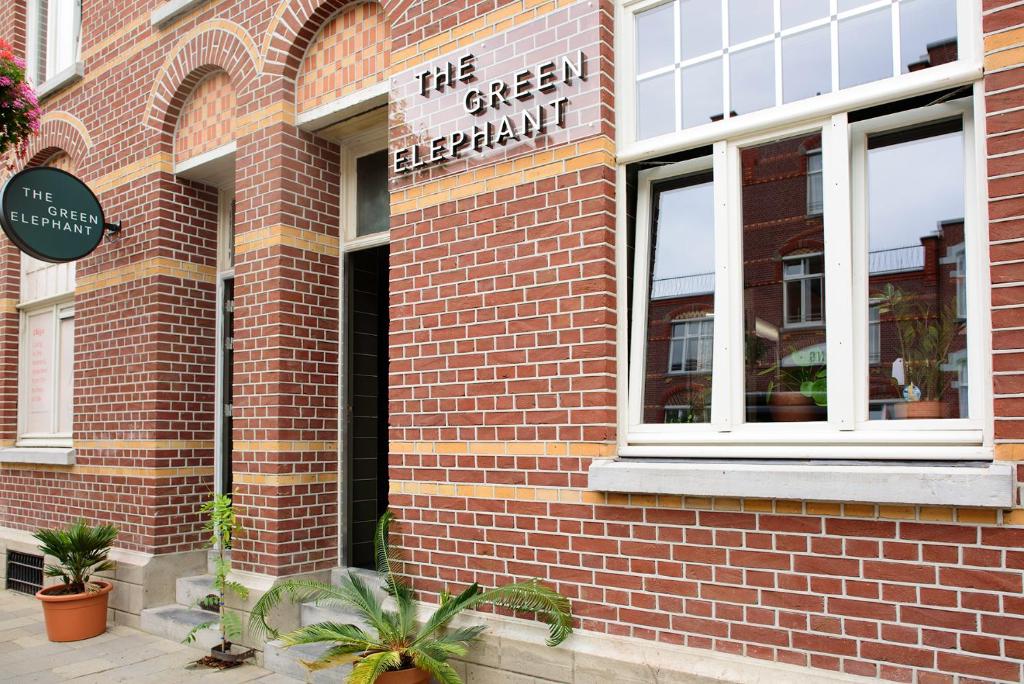
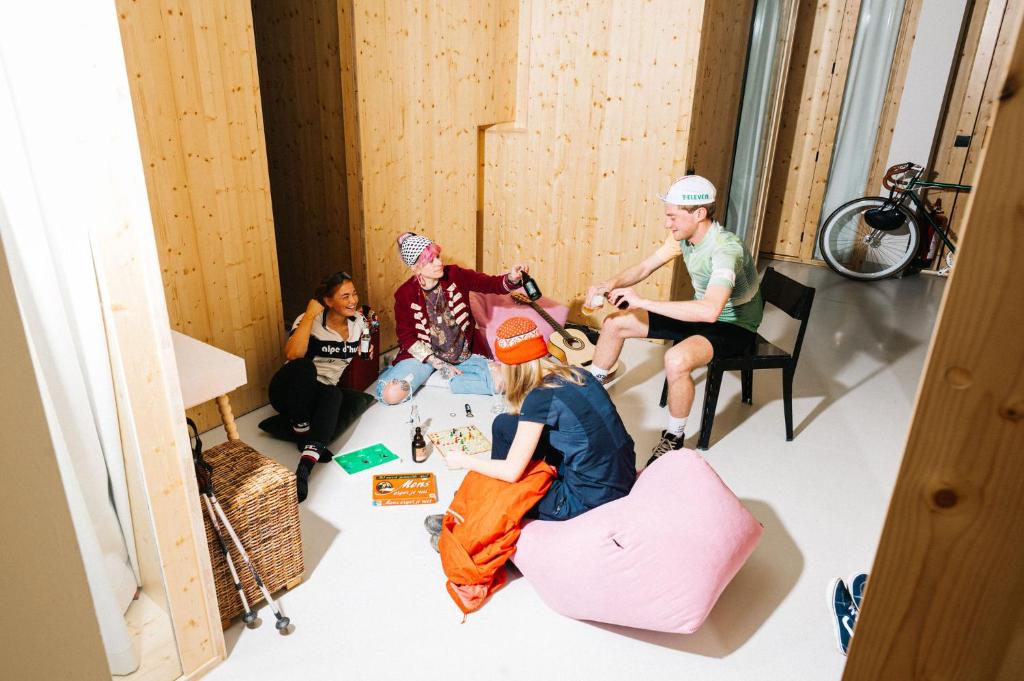
De Groene Olifant Hostel en Spa, Maastricht
Veel glostels maken gebruik van duurzame praktijken, zoals het gebruik van milieuvriendelijke materialen, het stimuleren van recycling en het inkopen van lokale producten. Dit innovatieve concept spreekt een groeiend segment van reizigers aan die op zoek zijn naar specifieke, meeslepende ervaringen zonder in te boeten aan kwaliteit en gemak.
Wat definieert een Glostel?
Glostels onderscheiden zich door een aantal belangrijke kenmerken:
- Ontwerpgerichte omgevingen
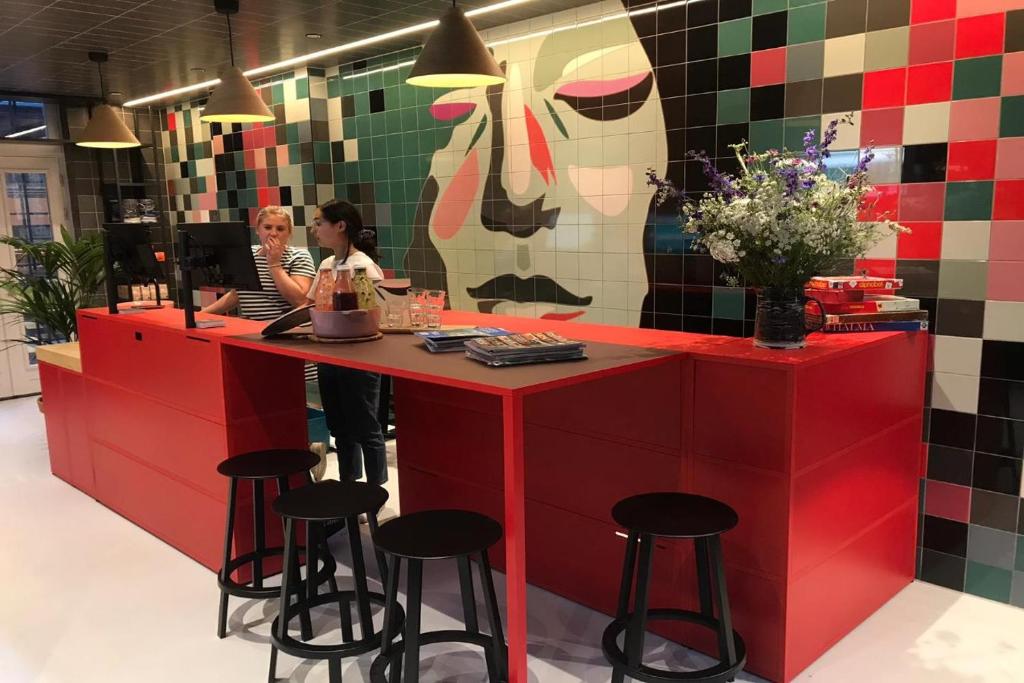
Sterke nadruk op kunst, mode en eigentijdse interieurs creëert visueel opvallende ruimtes die de gastervaring verbeteren en sociale interactie aanmoedigen. - Sociale maar comfortabele accommodatie
Hoewel gedeelde kamers centraal blijven staan, worden ze vaak aangevuld met hoogwaardige privékamers, wellnessfaciliteiten en doordacht ontworpen gemeenschappelijke ruimtes. - Toegankelijke luxe
Glostels hebben prijzen die vergelijkbaar zijn met die van traditionele hostels, terwijl ze een betere afwerking, een beter ruimtelijk ontwerp en meer voorzieningen bieden. - Gemeenschapsgerichte sfeer
Net als hostels geven glostels de voorkeur aan sociale contacten, evenementen en gedeelde ervaringen - waarmee ze zich onderscheiden van boetiekhotels, die zich vooral richten op privacy en exclusiviteit.
Zoals Landman (2020) opmerkt, onderscheiden glostels zich door het behoud van de sociaal DNA van hostels terwijl de algehele ervaring wordt verbeterd door middel van design en service.

Duurzaam en ervaringsgericht reizen
Veel glostels integreren duurzame praktijken als onderdeel van hun operationele model. Hierbij kan het gaan om het gebruik van milieuvriendelijke of gerecyclede materialen, initiatieven voor afvalvermindering en recycling, energiezuinige systemen en het lokaal inkopen van voedsel en producten.
Dit streven naar duurzaamheid maakt glostels bijzonder aantrekkelijk voor reizigers die op zoek zijn naar meeslepende, waardengedreven ervaringen zonder afbreuk te doen aan kwaliteit of gemak - een kernprincipe van de filosofie van Epic Stays.
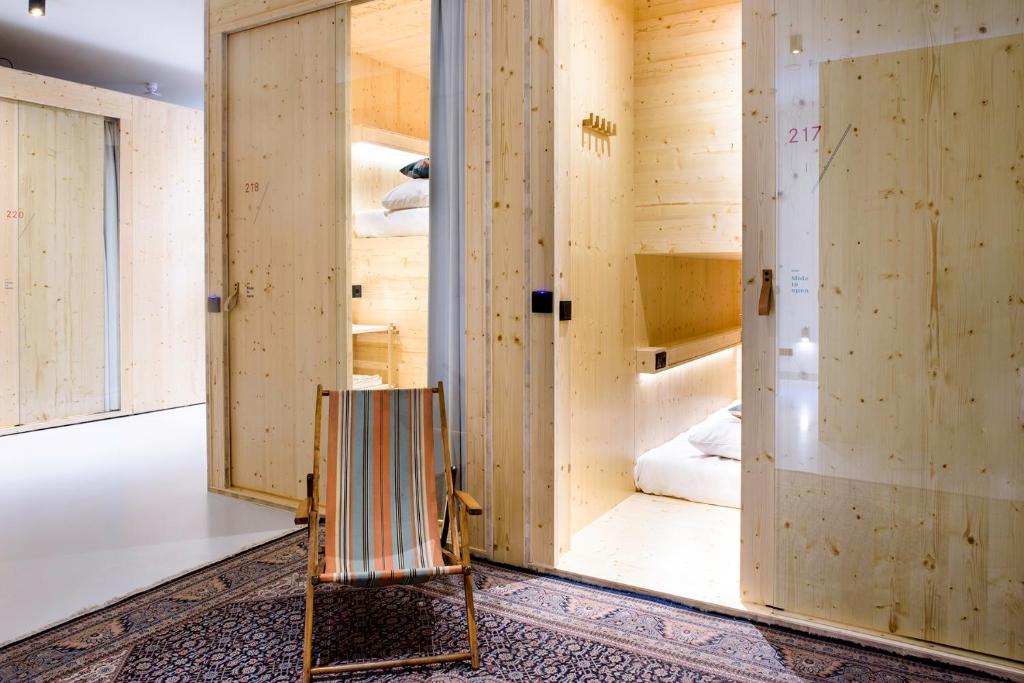
Voorbeeld van een episch verblijf: De Groene Olifant Hostel & Spa
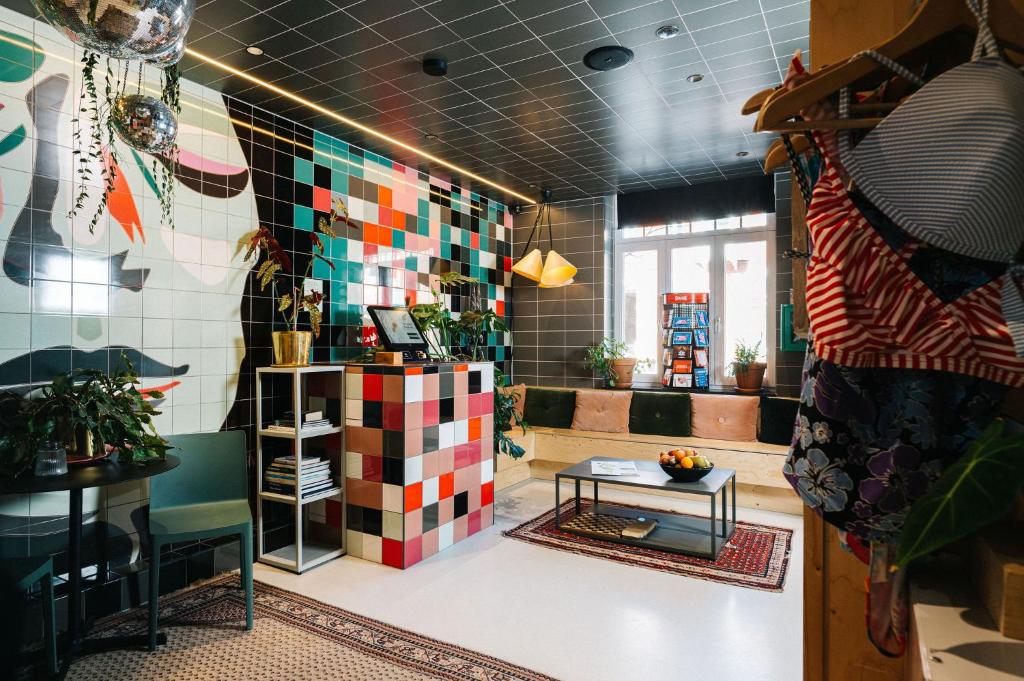
Een goed voorbeeld van het glostelconcept in de praktijk is De Groene Olifant Hostel & Spa. Dit glostel ligt in de historische stad Maastricht en combineert eigentijdse, designgerichte interieurs, een sterk duurzaamheidsethos, wellness- en spafaciliteiten en een levendige sociale sfeer.
De Groene Olifant laat zien hoe glostels met succes een breed publiek kunnen aanspreken - van soloreizigers en digitale nomaden tot koppels en groepen - terwijl ze een positieve bijdrage leveren aan lokale ecosystemen voor toerisme.
Waarom Glostels belangrijk zijn voor epische verblijven
Binnen het kader van Epic Stays bieden glostels een zeer repliceerbaar en schaalbaar model voor stedelijke en semi-stedelijke contexten. Ze laten zien hoe design de budgetaccommodatie kan opwaarderen, hoe sociale ruimten ervaringswaarden kunnen worden en hoe duurzaamheid kan worden geïntegreerd in reguliere toeristische producten.
Glostels zijn niet zomaar een trend - ze vertegenwoordigen een strategisch antwoord op veranderende verwachtingen van reizigers, een combinatie van betaalbaarheid, creativiteit en gemeenschap die een nieuwe definitie geeft van hoe een “episch” verblijf eruit kan zien.
Geschreven door;
Radu Mihailescu
Senior onderzoeker bij Stenden Hogeschool
 English (UK)
  Slovenščina
  Íslenska
  Italiano
  Nederlands