Að hanna sjálfbæra og staðbundna gistingu krefst þess að endurhugsa ferðaþjónustu sem kerfi sem virðir fólk, staður og pláneta. Innan Epic dvöl Innan ramma skipulagsins nær sjálfbærni langt út fyrir umhverfismerki eða byggingar með litlum áhrifum. Hún felur í sér heildræna nálgun þar sem hönnun, umhverfi, menning og samfélag eru óaðskiljanleg tengd.
Kjarnaregla er sú að endurnýting núverandi bygginga—eins og yfirgefin skóla, sveitahús, söguleg þorpshús eða gömul sveitabæi. Aðlögunarhæf endurnýting varðveitir staðbundna arfleifð, kemur í veg fyrir niðurníðslu og dregur verulega úr umhverfisáhrifum sem tengjast nýbyggingum og landnotkun. Þessar byggingar tilheyra nú þegar landslaginu og bera með sér sögur sem auðga upplifun gesta.
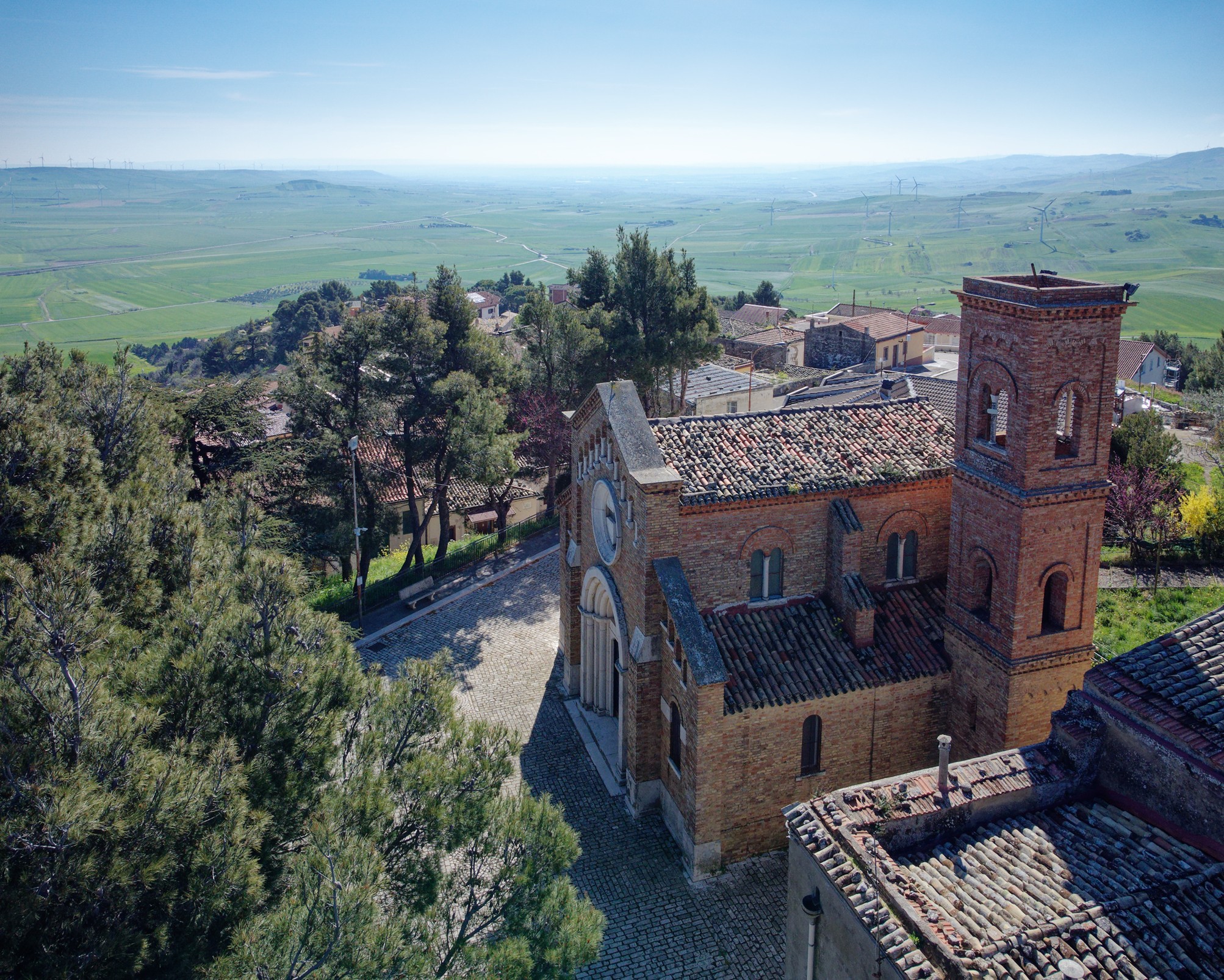
Efnisval styrkir enn frekar staðartilfinninguna. staðbundið, endurunnið eða efni sem hafa lítil áhrif lágmarkar umhverfisáhrif og styður um leið við staðbundnar framboðskeðjur, hefðbundna færni og handverk. Fyrir gesti skapar þetta dýpri tengingu við áfangastaðinn — þar sem gistingin endurspeglar staðbundna sjálfsmynd frekar en alþjóðlega einsleitni.
Umsókn líffræðilegar loftslags- og óvirkar hönnunarreglur er nauðsynlegt fyrir langtíma sjálfbærni. Náttúruleg loftræsting, sólarljós, varmaþungi, skuggar og einangrun tryggja þægindi allt árið um kring og draga úr þörf fyrir orkufrek kerfi. Þessar aðferðir eru sérstaklega árangursríkar í dreifbýli og sögulegu umhverfi, þar sem byggingar geta virkað vel. með loftslagið frekar en á móti því.
Epic Stays kynnir einnig sveigjanleg og fjölnota rými. Gistirými sem geta hýst vinnustofur, samfélagsviðburði, menningarstarfsemi eða árstíðabundna notkun verða seigari með tímanum. Þessi aðlögunarhæfni styrkir hagkvæmni fyrirtækja og bætir við félagslegu gildi umfram ferðaþjónustu eina sér.
Að virða burðargeta staðsetningar er afar mikilvæg. Gisting sem byggir á staðnum verður að vera í samræmi við innviði á staðnum — samgöngur, vatn, úrgang og orku — svo ferðaþjónusta sé áfram ávinningur frekar en byrði. Viðeigandi stærð hjálpar til við að koma í veg fyrir ofþröng og verndar bæði velferð samfélagsins og upplifun gesta.
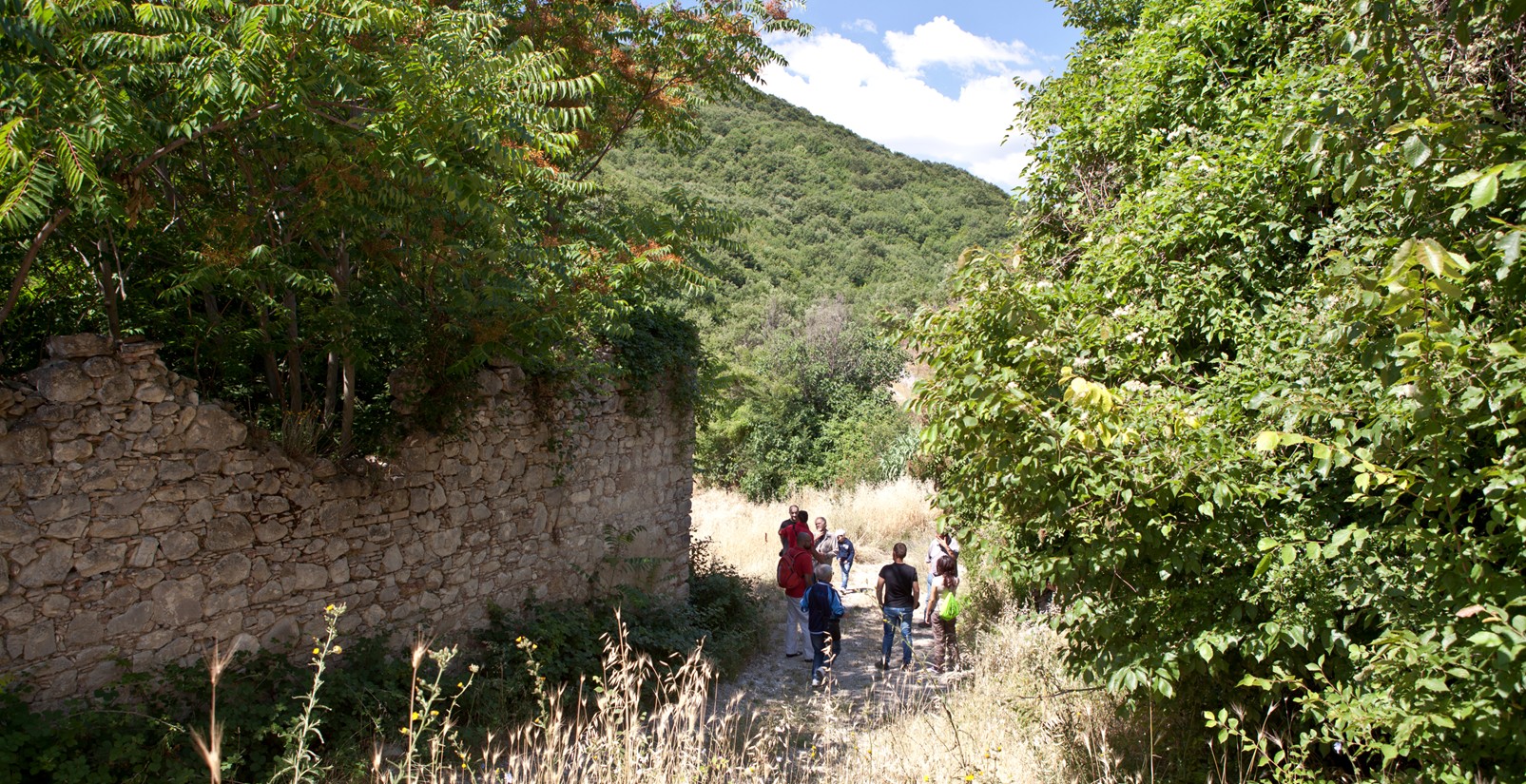
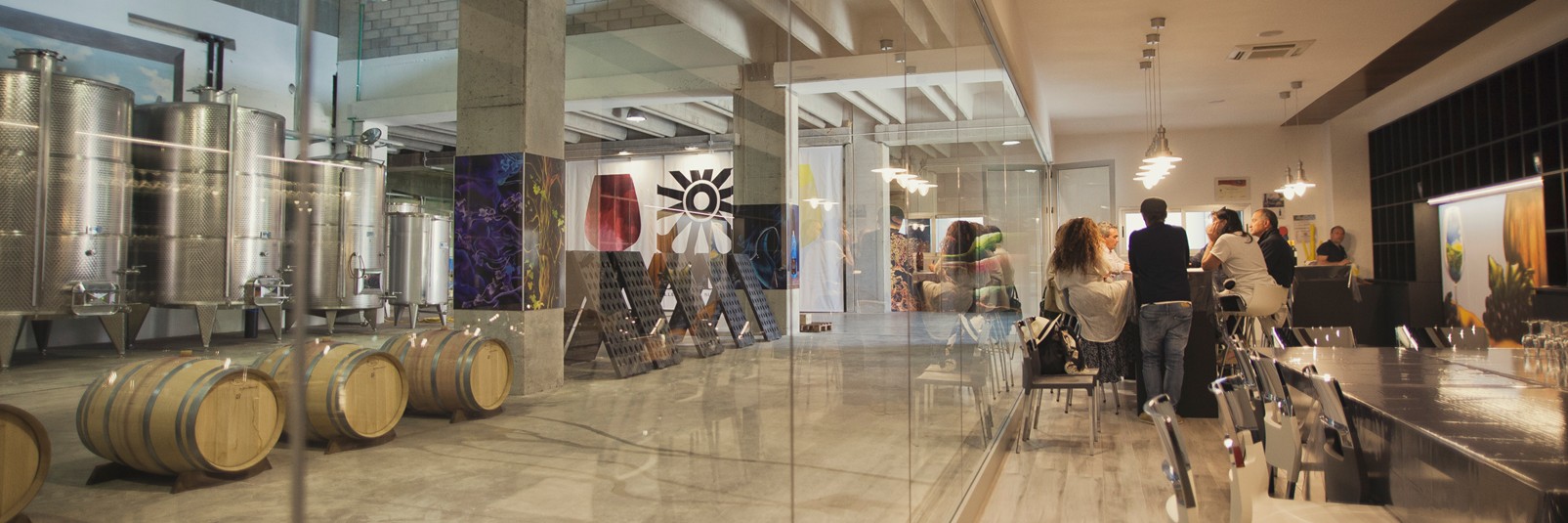
Þegar gisting samþættist matvælaframleiðendur á staðnum, handverksfólk, leiðsögumenn og þjónusta, það verður hvati til að endurnýja staðbundnar virðiskeðjur. Tekjur af ferðaþjónustu dreifast á staðnum, styrkja hagkerfi dreifbýlis og hvetja ungt fólk til að vera áfram eða snúa aftur til samfélaga sinna.
Að lokum, samfélagsmiðaðar gestrisnilíkön, eins og samvinnufélög eða gistikerfi í þorpum, fella ferðaþjónustu inn í samfélagsgerðina á staðnum. Þessar aðferðir dreifa efnahagslegum ávinningi á sanngjarnari hátt, varðveita menningarlega sjálfsmynd og stuðla að sameiginlegri ábyrgð á þróun ferðaþjónustu.
Í framtíðarsýn Epic Stays fellur sjálfbær og staðbundin gisting inn í umhverfi sitt, endurspeglar menningu heimamanna og leggur jákvætt af mörkum til samfélagsins. Ferðaþjónusta verður ekki útdráttarstarfsemi heldur... endurnýjunarkraftur—að styðja við menningararf, lífsviðurværi og landslag til langs tíma litið.
Skrifað af
Angela María Loporchio
Heimsæktu Monti Dauni
http://www.visitmontidauni.it/
 English (UK)
  Slovenščina
  Íslenska
  Italiano
  Nederlands